
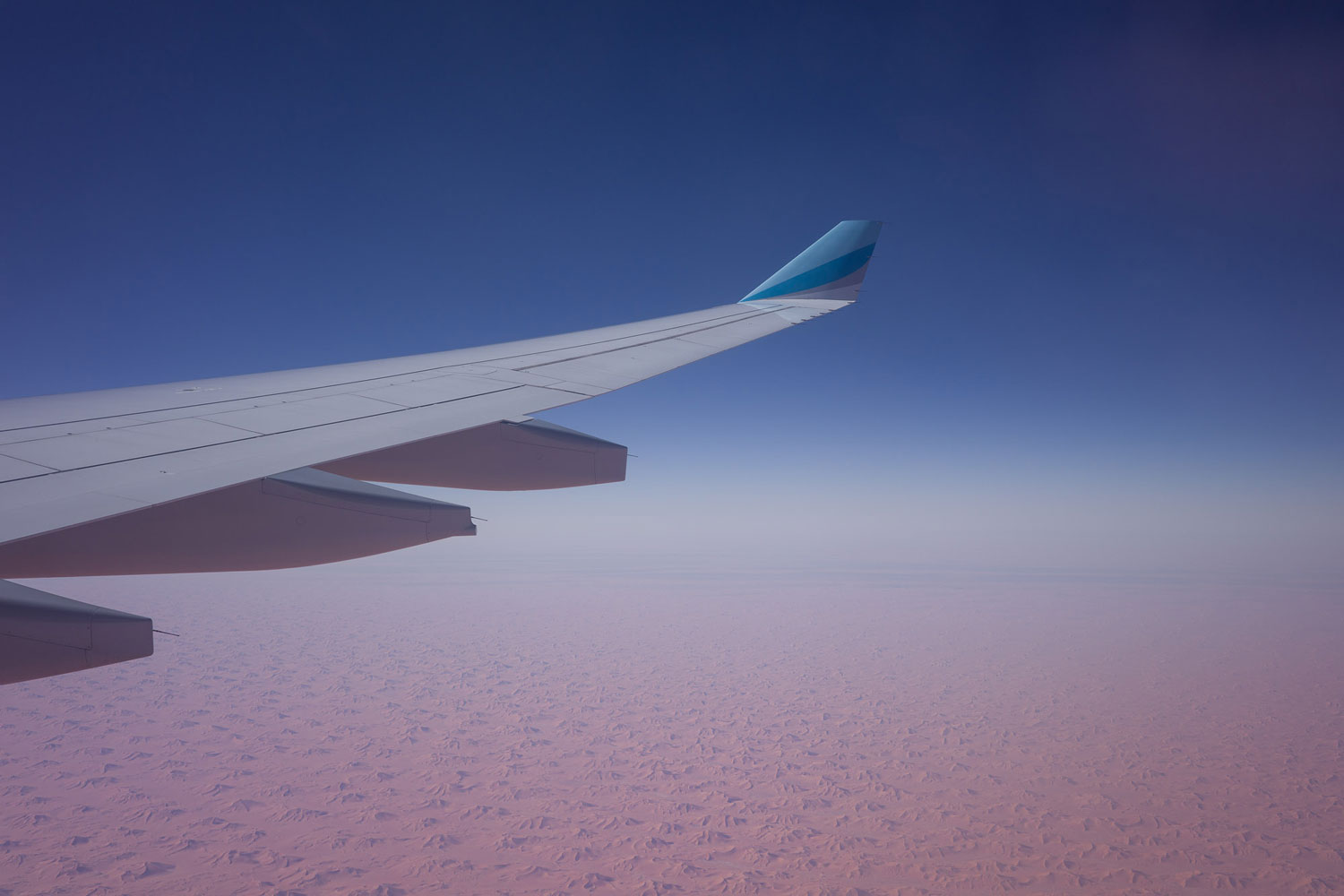
Namibia was the trip of a lifetime.
Beautiful people, beautiful landscapes. Endless space, ethereal quiet.
I get an enormous amount of enjoyment planning and anticipating trips (like a WEIRD amount) so I start researching several months in advance.
It helps me to throw together a rough itinerary, get an idea of the kinds of places available and also look into transport and other details.
This is exactly what I did with Namibia. And this time I had nearly two whole years to plan because our trip was delayed a year by the pandemic
There’s not a great deal I would do differently itinerary-wise but we learned a HUGE amount ‘on the ground’ in terms of logistics.
I’m going to share that with you here.
It doesn’t matter how much pre-planning you do, when you arrive somewhere there will always be surprises!
So here’s a list of the things I learned about travel in Namibia and what I might do differently on a future visit, knowing what I know now.
1. Spend a lot more time in the north of the country and on the Caprivi strip
This really was one of the most magical parts of our Namibia experience.
Most Namibia itineraries centre around a well trodden loop which includes Fish River Canyon, Sossusvlei, Swakopmund, Etosha and maybe a handful of other places.
We found all of Namibia’s landscapes beautiful.
But making the journey up to the north of the country and then heading along the Caprivi really was something else.
Perhaps the contrast gave this a special edge. Desert turns to shrublands and then trees and forest.
There is a distinctly magical combination of the sub-Saharan Africa red clay mixed with lush green.
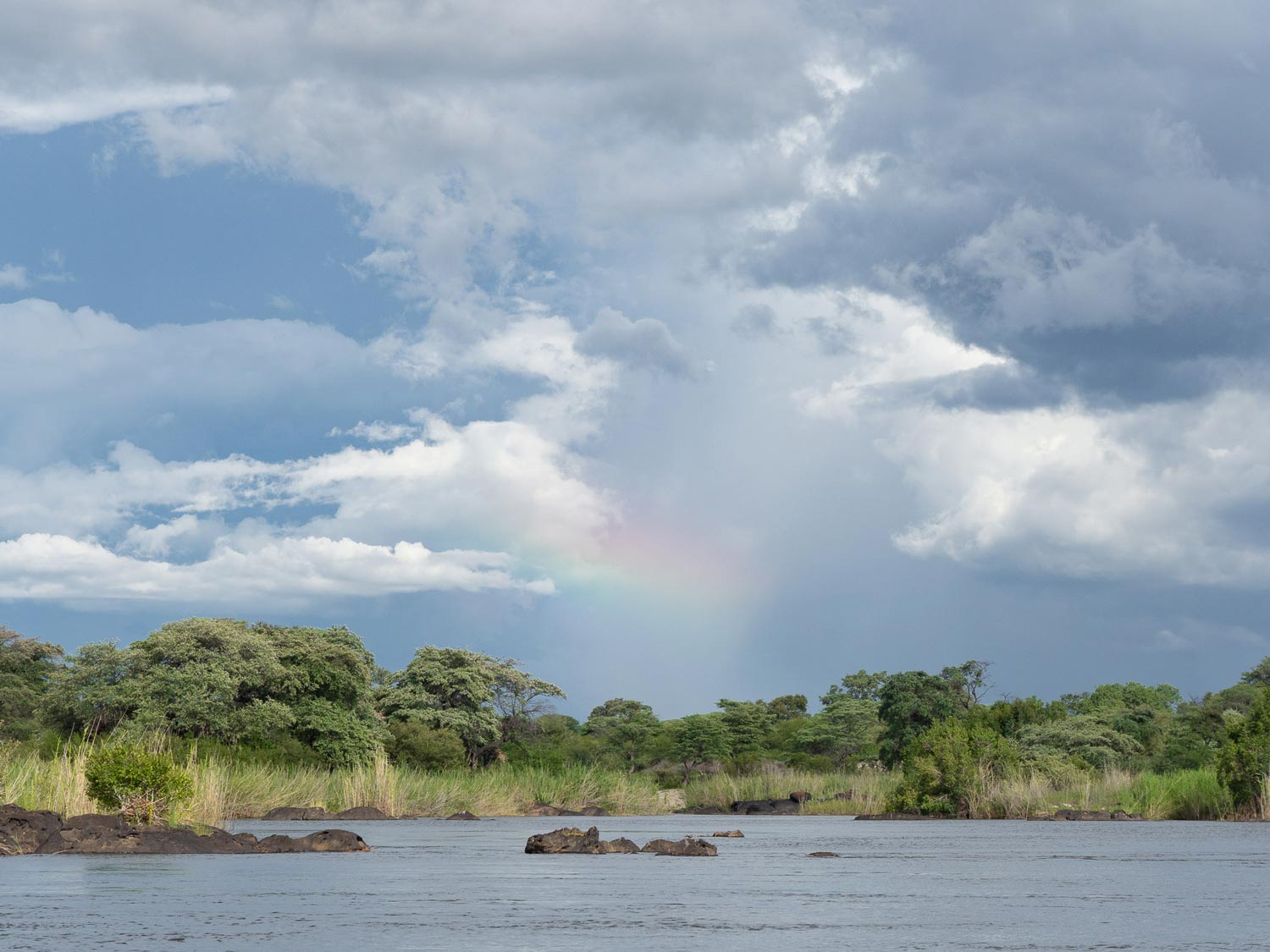
It’s a different pace of life up here.
People (there are many more living in this part of the country) seemed happy and friendly and there is water. EVERYWHERE.
After weeks in the desert being surrounded by water and lush rivers was incredible.
The wildlife viewing up here is almost unparalleled.
We felt at times like we had entire game parks to ourselves and being able to self-drive here was such an amazing experience.
A lot of people rush this part of the country and race up to the Victoria Falls and then back again.
If you are able dedicate longer to this part of your Namibia adventure I’d recommend doing so. This really is one of the most magical parts of the experience especially once you get closer to Divundu.
It’s not just a road to somewhere. It’s one of the destinations and for most will be a highlights of the trip.
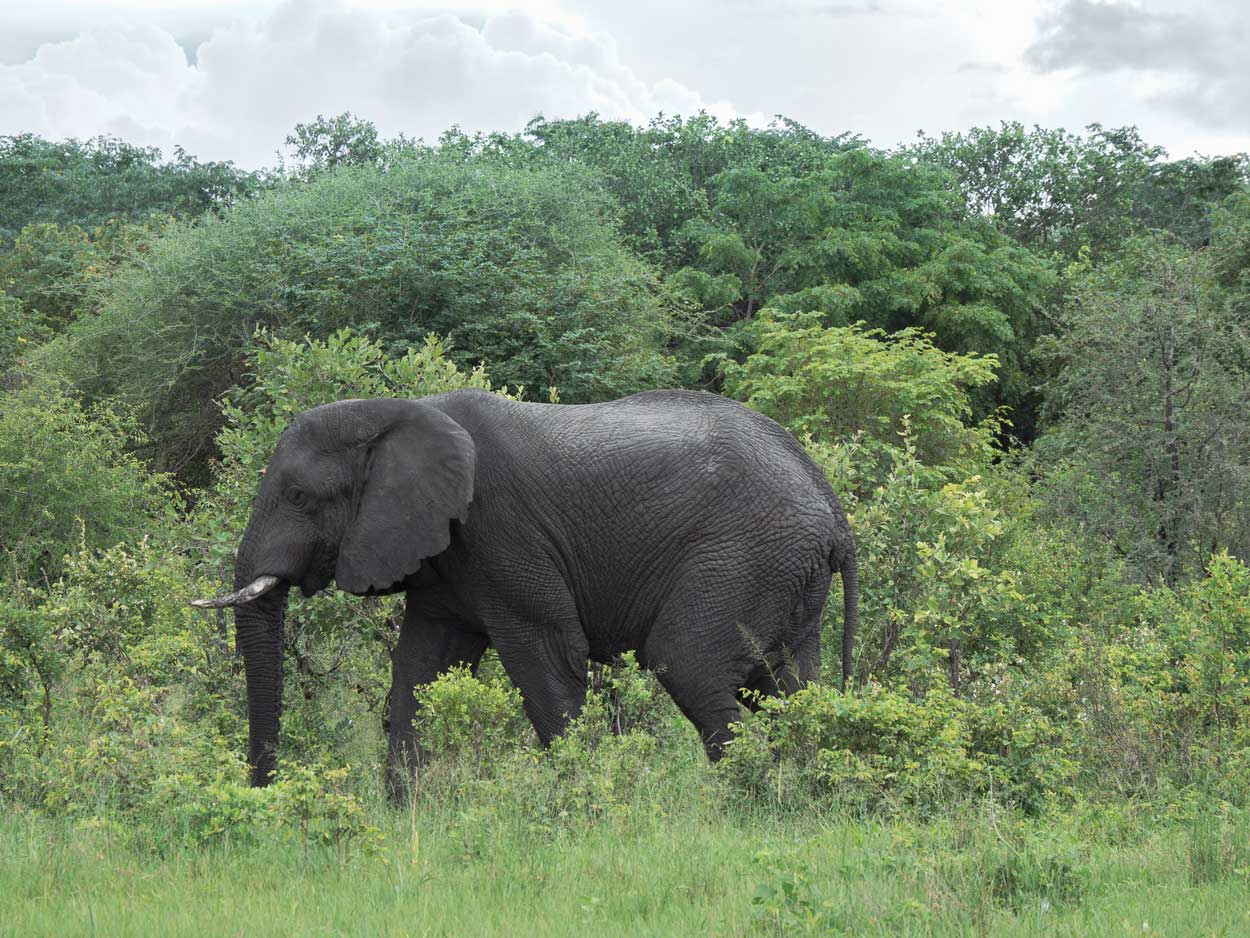
We have already earmarked 3 or 4 places we want to visit in this area when we return.
2. Rent a 4X4 with a rooftop tent (if you’re ok with roughing it!) and create life-time memories
If you are spending a decent amount of time in Namibia you need a car and that car needs to be a 4X4. More on that in just a minute!
In this section I want to talk specifically about rooftop camping.
We did rent a rooftop tent but it’s something I’d do again without doubt so I’m including it in this article.
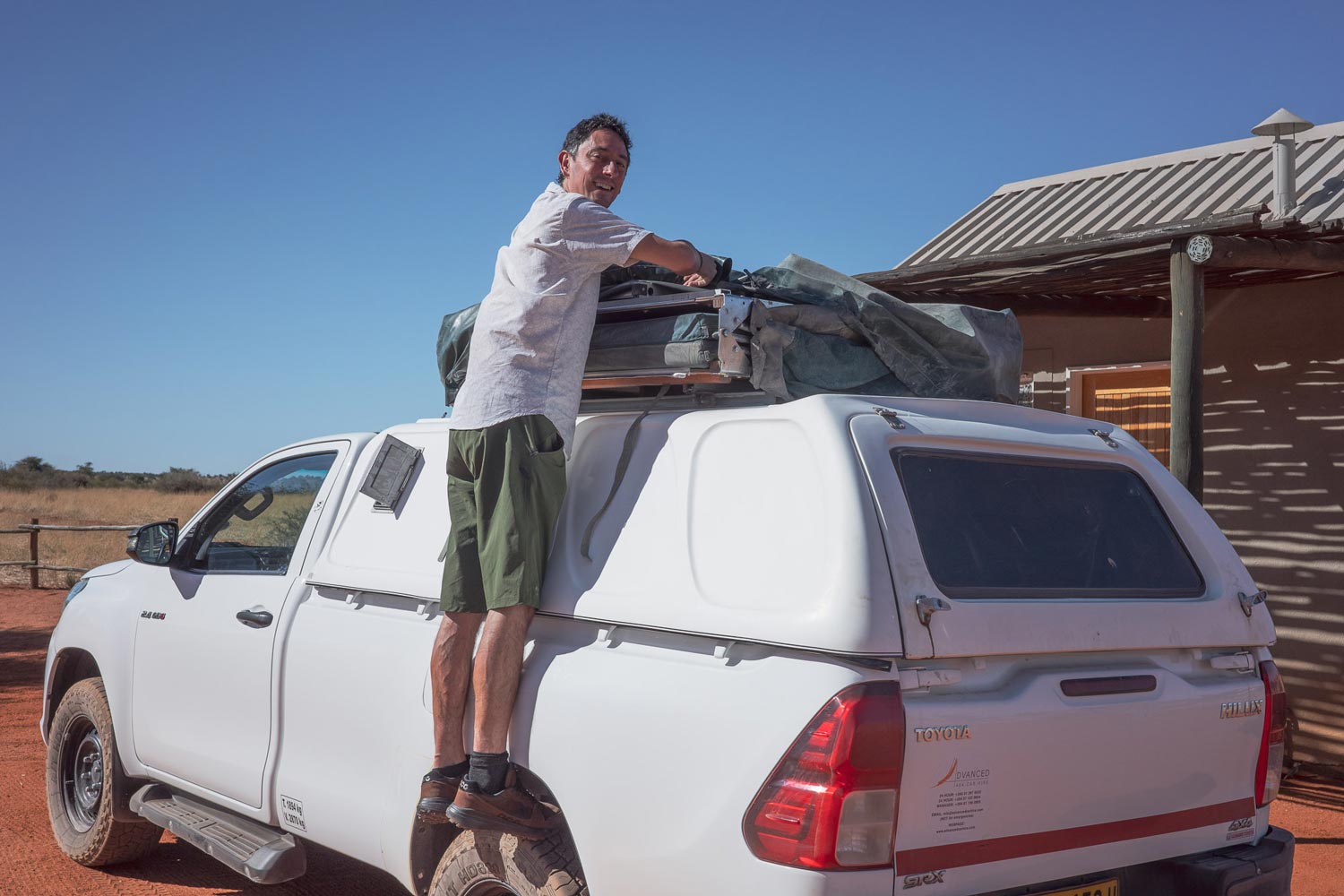
If you don’t mind a bit of discomfort and like cooking your own meals and you’re ok with using shared bathrooms then definitely spend some nights sleeping at Namibia’s incredible camp-sites.
Truthfully, it’s not that comfortable sleeping in this things… but it’s also not that bad. If there was a scale I’d say that sleeping wise it’s slightly more comfortable than camping in a tent at a festival but the facilities are FAR better and far cleaner.
These were always the worst sleeps we had but the best nights and the best mornings.
That might sound like a contradiction but here’s why.
Getting to a beautiful place (and Namibia is bursting with them) and being out in the open and setting up camp and setting up a fire and cooking your food is just a magical experience out here.
The facilities almost everywhere we stayed were fantastic.
But most importantly you will have the full experience of really being in the landscape and in the moment and doing something amazing.
There is no better tasting food than that which you have cooked yourself on a wood fire surrounded by impossibly beautiful views.
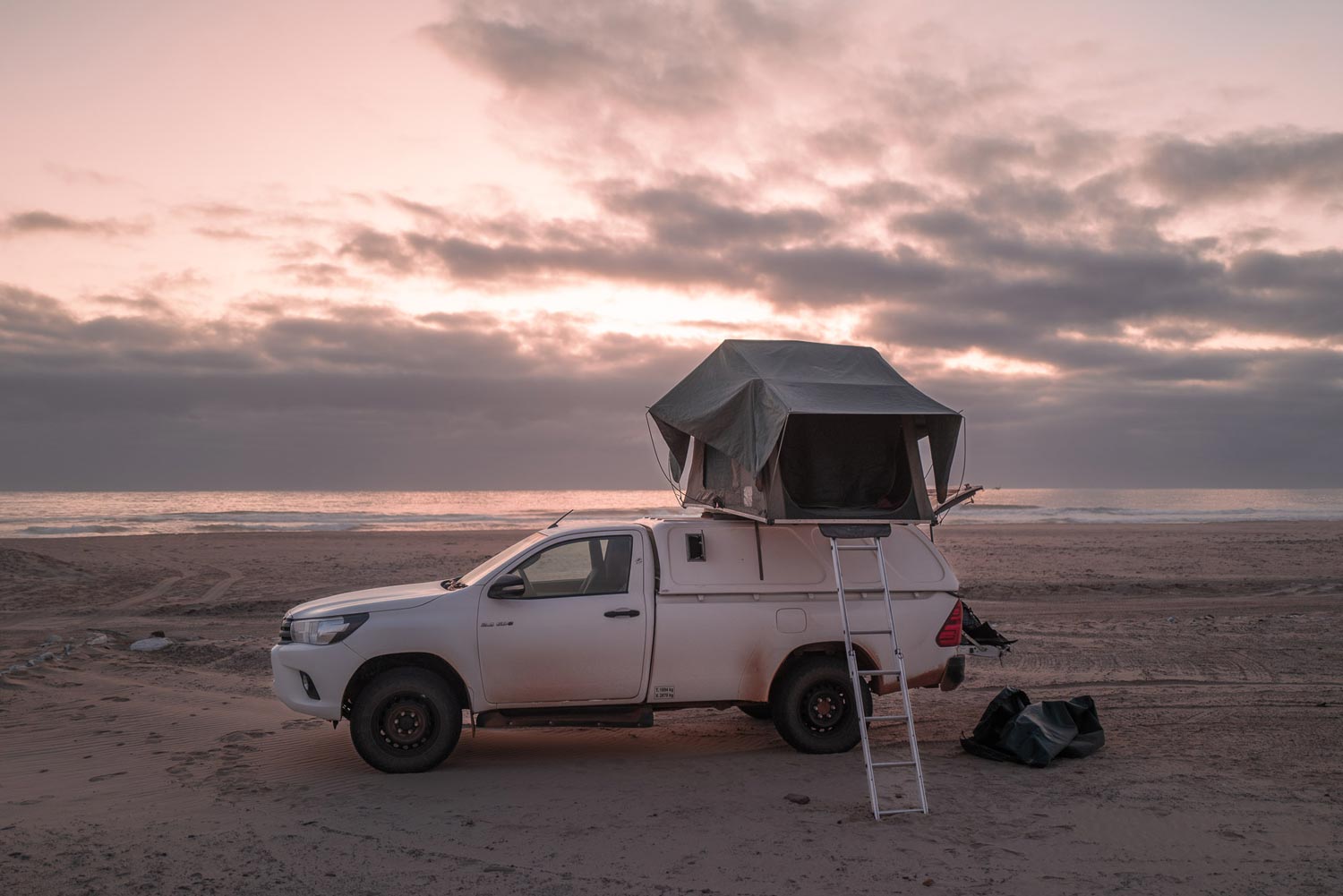
And then when you finish eating and you sit back on your camping chair and have a beer or glass of wine and chat until you get sleepy you will feel like you have escaped some of the horrors of modern life.
The endless notifications on your phone, the leaky roof back home. The daily commute, the micromanaging. All the ‘fun’ trappings of the Western world.
And as that’s sinking like some great, joyous, celebratory firework the sky turns an inky black and lights up with a trillion stars.
There is nothing quite like it as you clamber up your ladder into your rooftop tent swearing as he bang your head on the mesh, fail at closing the zip properly and shuffle uncomfortably into your sleeping bag.
Heaven needs a little hell to get its sparkle.
You will forgive the hours you spend feeling slightly too hot or slightly too cold or slightly too close to your partner’s elbows.
Because eventually you will catch a few hours sleep. When you wake up at ridiculous o’clock you might think you’d feel terrible from the sweaty, restless ordeal, but getting up at first light or even better sunrise rewards you with an enormous sense of space and joy and light.
Sitting outside in the total quiet. A gentle chorus of weaver birds going about there terribly busy lives.
It really is magical.
Though we always looked forward to staying in guest houses or hotels (because they had proper mattresses) here’s what we found.
Every single favourite memory we have from our trip to Namibia with spent on those days and nights camped in our rooftop tent.
So that is what we would do differently. We would probably spend a few more nights in the rooftop tent and a few less spending a months wages being fussed over in a tourist dome.
3. Stay in low budget and mid-range accommodation (you get better bang for your buck)
We usually try and stay in a mix of low budget (i.e. hostel rooms or camp-sites), mid-range (i.e. guest houses, AirBnbs and certain hotels/lodges) when we travel.
If budget allows we might also splurge on a couple of nights somewhere opulent.
That way you get a good mix of adventure and relaxation without having to re-mortgage a lung.
But honestly, and it pains me to say it, some of the top range places we stayed at in Namibia just really weren’t worth the extra money, in our opinion.
The service we received in Namibia was pretty similar everywhere we went, at $10 a night or $100+. People were friendly, kind and helpful. On the few occasions we came across a bad egg (I’m thinking of the shouty barmaid who kept barking orders at the guests in Sossusvlei) it was actually at the higher end places.
We also found some of the more expensive lodges felt less personal. They were often enormous complexes (perhaps victims of their own success) and at times it felt like you were part of a giant tour group.
Dinner would be a sea of people wearing pristine khaki outfits and dribbling over the buffet.
This felt really quite strange because we stayed in some smaller, really stunning and far more moderately priced places where the service was so personal and lovely.
This was just our experience, your mileage may definitely vary. We stayed a 2 top end places (both were worth a week’s ‘normal’ budget for us and both were some of the most expensive places we’d ever stayed in) and we had the exact same experience in both.
4. Use AirBnbs and apartment rents more – they are fantastic in Namibia (and good value)
Use AirBnb’s where possible.
It’s an absolutely wonderful experience in Namibia.
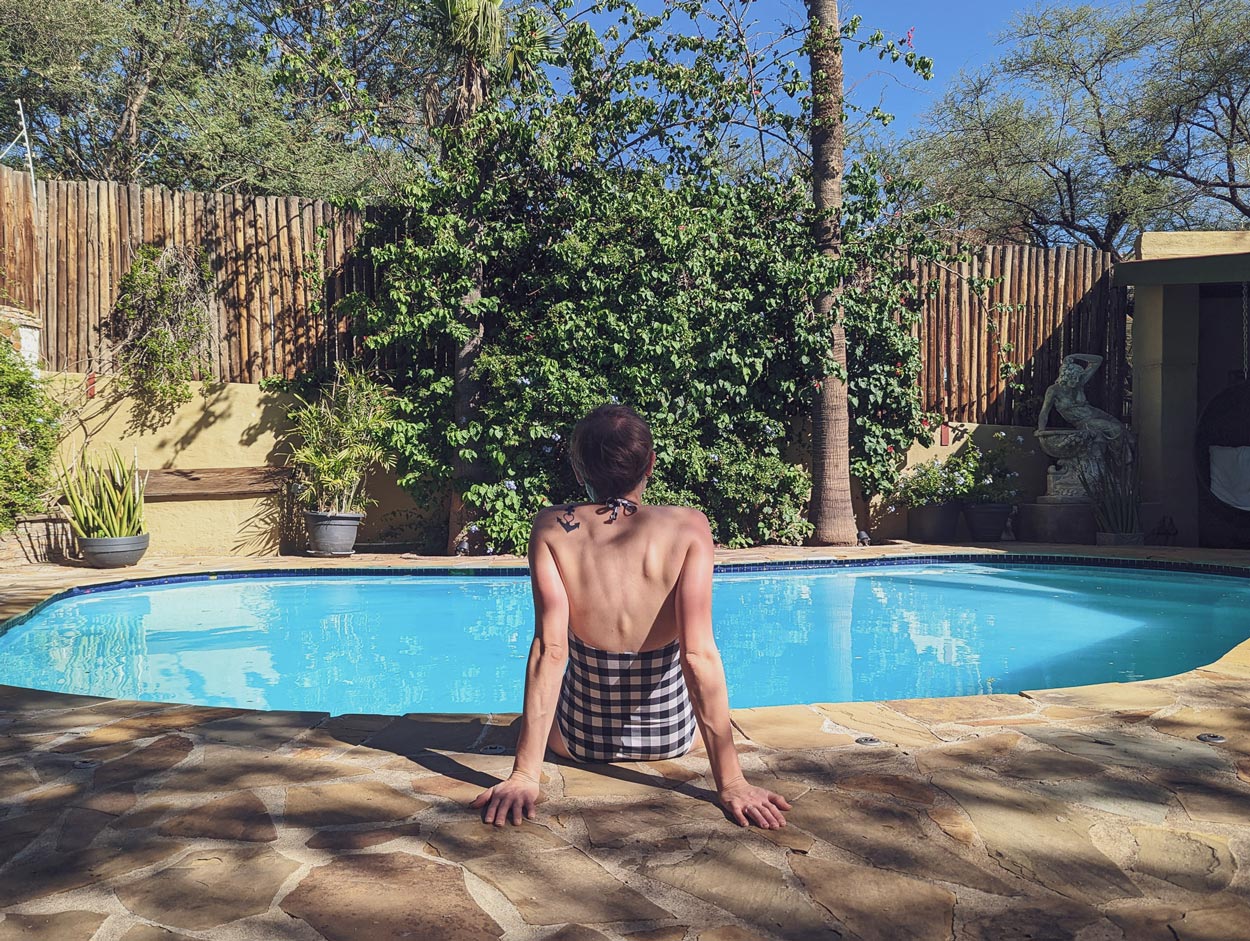
Again, this is a subjective take, but we can’t stand being fussed over in hotels.
Of course it depends where your staying but often it feels like you have to fit in with someone else’s rota in terms of meal times and what you can eat constantly being bugged to take part in their activities, feels like being locked in the hamster wheel back at home only you’re paying for the pleasure.
I totally understand some people like to be able to outsource the stress and get a buzz being around group. I think being able to do our own thing when it’s safe to do so suits our travel style.
We are relatively quiet, introverted people who like to explore and do things outside of big groups.
AirBnb gives you that amazing freedom. The kind of freedom you would have at home where you can go to the supermarket and pick the things you want and cook the meals you want when you want.
As a bonus you tend to save a bit of money.
I’m not exaggerating when I say that the hotels and lodges in Namibia are some of the most expensive, we’ve ever come across, whereas the Airbnbs are often beautiful, fairly priced and extremely high quality.
It’s just having that space to really genuinely relax. You can spend an afternoon or an evening in a living room and chat freely around a table without feeling like you’re surrounded by other people.
You can unfold a giant map and plot your route with wild abandon.
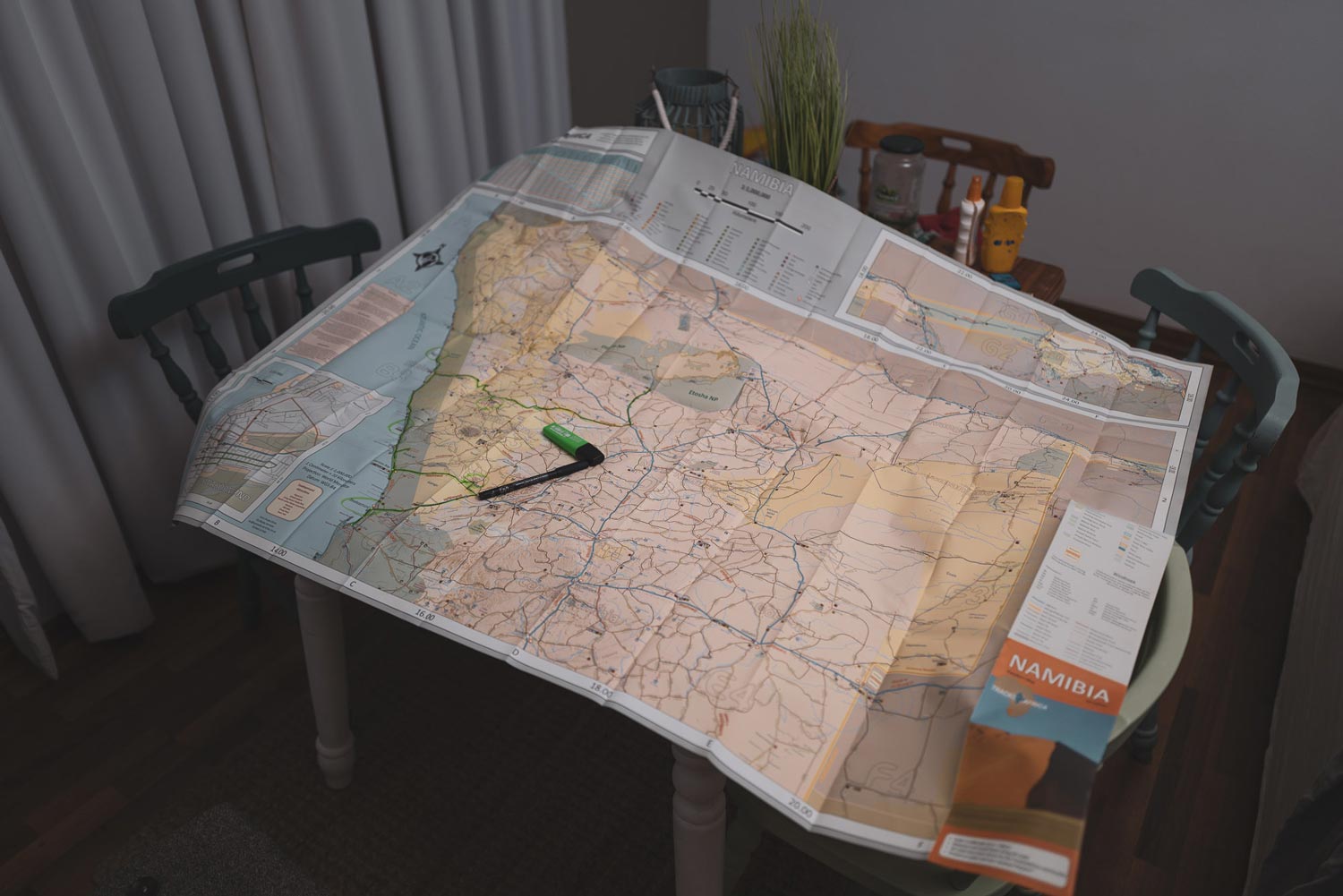
What I am trying to stress with both these points about the rooftop tents and AirBnb’s is that you get that sense of freedom. It will also cost you a lot less and allow your budget to go further.
Outside of that I would definitely stay in some nice places, but I would stick to a range of somewhere between 50 to $200 on this and would never go more than that having seen what you can get above that range.
150 seems to be the sweet spot for somewhere that was definitely high end and you definitely get spoilt and you have a beautiful room and beautiful surroundings.
Anything more than that we found yielded diminishing returns.
5. Take as long as you can for a holiday to Namibia (this isn’t a 2 week trip)
We were lucky enough to be able to take a month because we took it over the Christmas break so that we could get a bit more holiday either side.
Kat also booked it in when she moved jobs so she was able to clear it with her new employers.
Namibia is vast and it is stunning.
If you are racing around the tourist hot spots in 2 weeks it will be a real whistle stop tour.
You won’t have any room for anything going wrong so you will have that stress of missing out if you can’t do something because of weather conditions or if there’s a problem with the car for example.
You will also lose that freedom to adapt your plans or to spend longer in a particular place.
This felt like a big deal somewhere like Namibia because It really is so different from almost anywhere in the world.
And what we loved most about this country was that feeling of discovery.
I don’t mean that we were literally discovering new lands. I mean that for us as a personal journey and experience, it felt like we were immersed in exciting landscapes and having new experiences.
You see somewhere that looks impossibly beautiful and if you aren’t restricted by a punishing timetable you can just stop by the side of the road and appreciate it for a while…
You can stay an extra night in a campsite that you fall in love with…
You can make a diversion and head to an interesting looking place because someone you met earlier had a fantastic time there.
I think having a longer time to travel and go with the flow is a wonderful thing in any country. But I think this applies even more so with Namibia. Having visited I think I would feel disappointed if I had spent less than 3 or 4 weeks here.
To give you an idea, if we were to go back and if time wasn’t an issue I would look to spend about 3 months there and take full advantage of that 90-day visa.
That’s how much we fell for Namibia.
6. Use card to pay for things (and take a lot less cash!)
We took a chunk of money to Namibia in South African Rand and in US dollars.
The US dollars were an emergency funds just in case. We had planned to head into Vic Falls and so I don’t regret that.
However, we took a decent chunk of money out in South African Rand in advanced (n.b. the Rand can be used just as freely as Namibian dollars and equal exactly the same amount. 1 Rand = 1 Namibian dollar).
We needn’t have brought nearly as much.
Virtually everywhere we visited in Namibia took card, including pretty much all the petrol stations we came across.
On the rare occasion they didn’t they usually had an ATM close by so it wouldn’t have been a problem.
In retrospect next time we visit we will just bring our debit cards (It’s always a good idea to bring a few just in case one gets blocked).
Just make sure you have a card(s) that gives you the fairest possible rate. Our doesn’t charge fees abroad and exchanges at the MasterCard rate which – at the time of writing – is about as close as you can get to the real rate as a consumer.
Having less cash means that you’ll be worried less about carrying these huge wodges around with you and it’s really just easier.
Contactless and cards machines are all the rage in Namibia and it’s just a far more pleasant experience.
There’s less to lose or get stolen and it’s easier to carry.
I would definitely still bring some South African rand with and emergency US dollars with you so that you can pay for the odd restaurant, activity or national park fee where they don’t accept card. Cash is also useful for tips. I probably wouldn’t bring more than 10% of the amount you had allocated for the whole trip.
Remember, you can always take cash out if needs be once you’re there!
7. Take lots of water bottles with you (ones you can easily carry in your day pack)
We actually came quite well prepared on this front but we didn’t always bring them out with us on tracks and this was a mistake.
Namibia, particularly in the south, is “a thirsty country” as one Namibian we met described it.
And this was so true.
I can’t explain why (because we’ve been to hot countries before) but our thirst in Namibia was insatiable.
We thought the heat was going to be a huge challenge for us but even though it was incredibly hot it didn’t feel as hard going as in less hot more, humid countries.
The thing we found most challenging was drinking enough water. In the South you will be thirsty a lot of the time, especially if you visit in the Namibian summer.
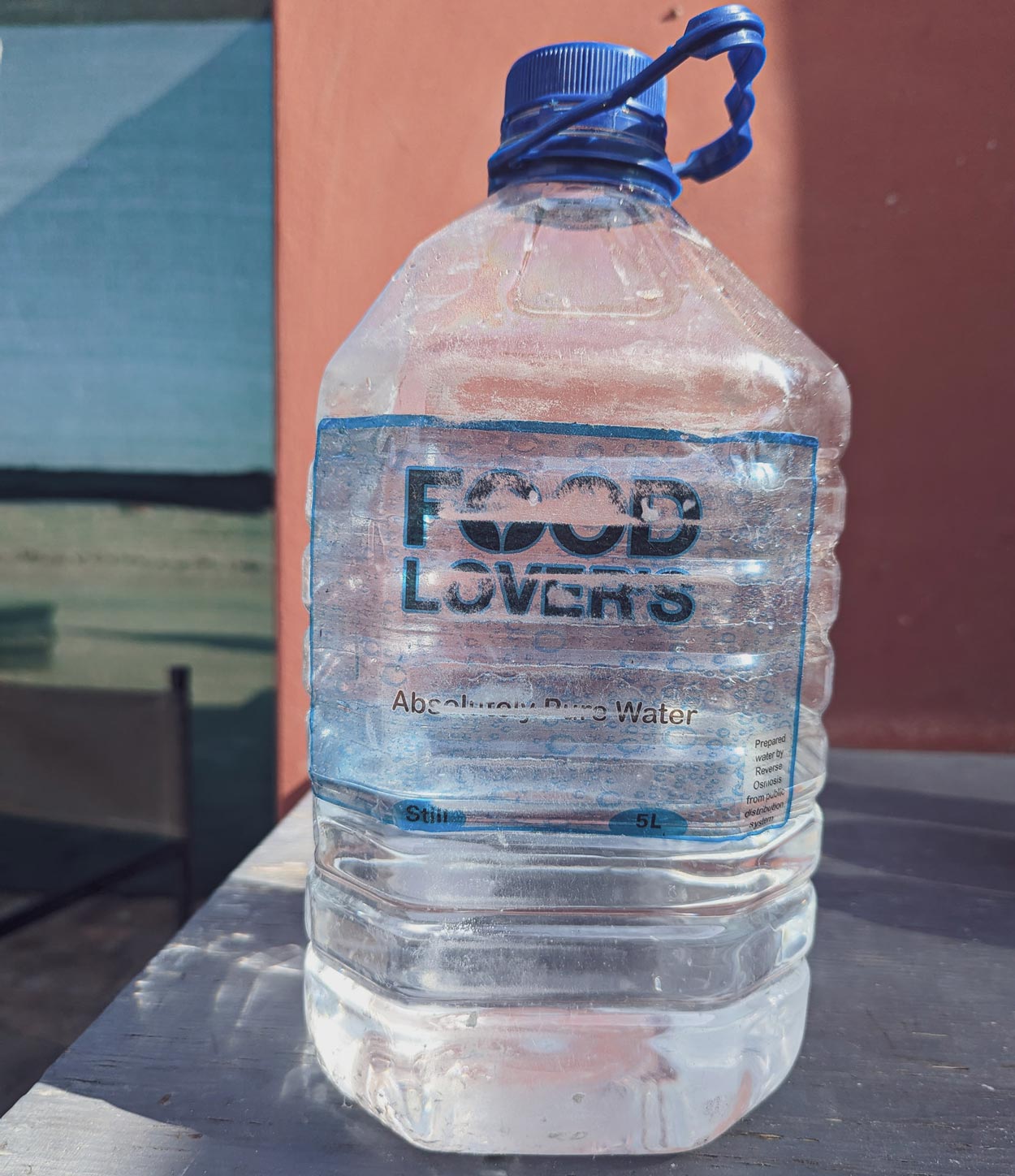
Always buy the giant five litre bottles from the supermarkets when you get a chance. Then fill up each of your individual water bottles and bring them with you on every hike, trek and walk!
You’ll probably need twice as much as you think. I really can’t emphasise this enough. Namibia has some extraordinary weird water draining power in this sense!
How much is enough?
If we were going on a long hike (4 hours plus) we would take about 4 litres each. That was usually about enough.
Obviously if you’re just going through a walk around town, or you’re with a tour group, then that you can probably just get away with taking a lot less.
8. Have plenty of $1 or $2 (Namibian dollar) coins handy for the car guards
Car guards are self-appointed guys in high-vis jackets who demand a payment for looking after your car.
We had mixed feelings about these folk.
It’s great to be able to help people out where possible (and we did our best) but the few times we were followed around and hassled in Namibia it tended to be by car guards.
“Where are you from? Give me money” etc
It didn’t usually feel too threatening but it we never looked forward to parking up outside supermarkets or restaurants.
But whatever the situation it’s there and it’s the done thing. You pay the guy in the car park with the hi vis jacket.
While it can feel a bit like you are paying into a protection racket (the only people who ever seem to be hanging around the cars in the first place is these guys) it’s better than having something go wrong with your car.
So it’s always worth having some coins handy. You don’t want the awkward situation where you don’t have change.
At the time of writing about $2 seem to be about the going rate.
9. Book accommodation in advance if you plan to visit the Skeleton coast
The Skeleton Coast National Park has very few options for accommodation.
So if you want to go there, you’re going to want to make sure that you book there in advance.
I’ve read a lot of blog posts saying that you needed to show proof of this when you headed to the National Park gate. That may be the case but I should point out that they were absolutely fine with us.
We did have proof if needed but it wasn’t something they asked (maybe because they saw the roof top tent on our car).
Regardless, there are not that many options for staying out here, so make sure you call or email ahead and get booked up in advance.
At the very least check whether you think they would have any problems accommodating you if you want to be more flexible with how long you are staying.
It pays to have a bit of peace of mind for this leg of your trip!
10. Buy a local SIM card as soon as you get to the airport
This is something I did but it’s such an important tip. I’m going to include it here just so it’s all in one place.
You can get a really reasonable deal on a SIM card and minutes, including internet, for your stay.
MTC is the network to go for and there’s a place in the Airport when you arrive that will sort everything out for you. It only takes about 5 or 10 minutes.
When we got there the only option was to buy these codes which last a week at a time.
This felt like a slightly annoying way of having to do things (there was no 2 week or 4 week option at the time of writing).
It meant that every week when it ran we had to enter a new code. We bought them all in one go so it wasn’t too much trouble. I just had to remember to set a reminder on my phone to input it every 7 days with a new code.
If not you can just buy them as you go along. Lots of shops will sell you new codes.
Having a SIM cards will just mean you can get online and you can book a combination and you can check reservations and so on and so forth and you can also call ahead to places.
And if you make any friends out there, you will have an Namibian phone number you can give them where they can contact you.
It’s just a really really useful and inexpensive thing to do and I highly recommend getting one as soon as you arrive.
11 Rent a 4×4 but forget the fridge (and don’t bother with the following items)
If you have the funds you could do to a potted tour of the country with internal flights and pick-ups by tour companies.
Or if you’re here for months on end you could use a mixture of public transport and hitch hiking.
But… Namibia is a country that is best served by travelling around in your own car, specifically a 4X4.
It is possible to get by on a 2 wheel drive (and you do see some people chugging along on certain roads) but you’ll regret not going for a 4 wheel drive.
It gives you so much more freedom and your journeys will be far more comfortable and straightforward.
Different companies offer different packages but most rent out the Toyota Hillux or the Nissan equivalent and most have similar specs. Within that you usually have the option to customise.
This would be what I would for:
1. Choose a 4×4 which has a dual tank
This just takes an enormous amount of anxiety out of your travels and you can get something like a 1,200 km radius out of two full tanks.
That might sound unnecessary but petrol stations can be very few and far between in Namibia.
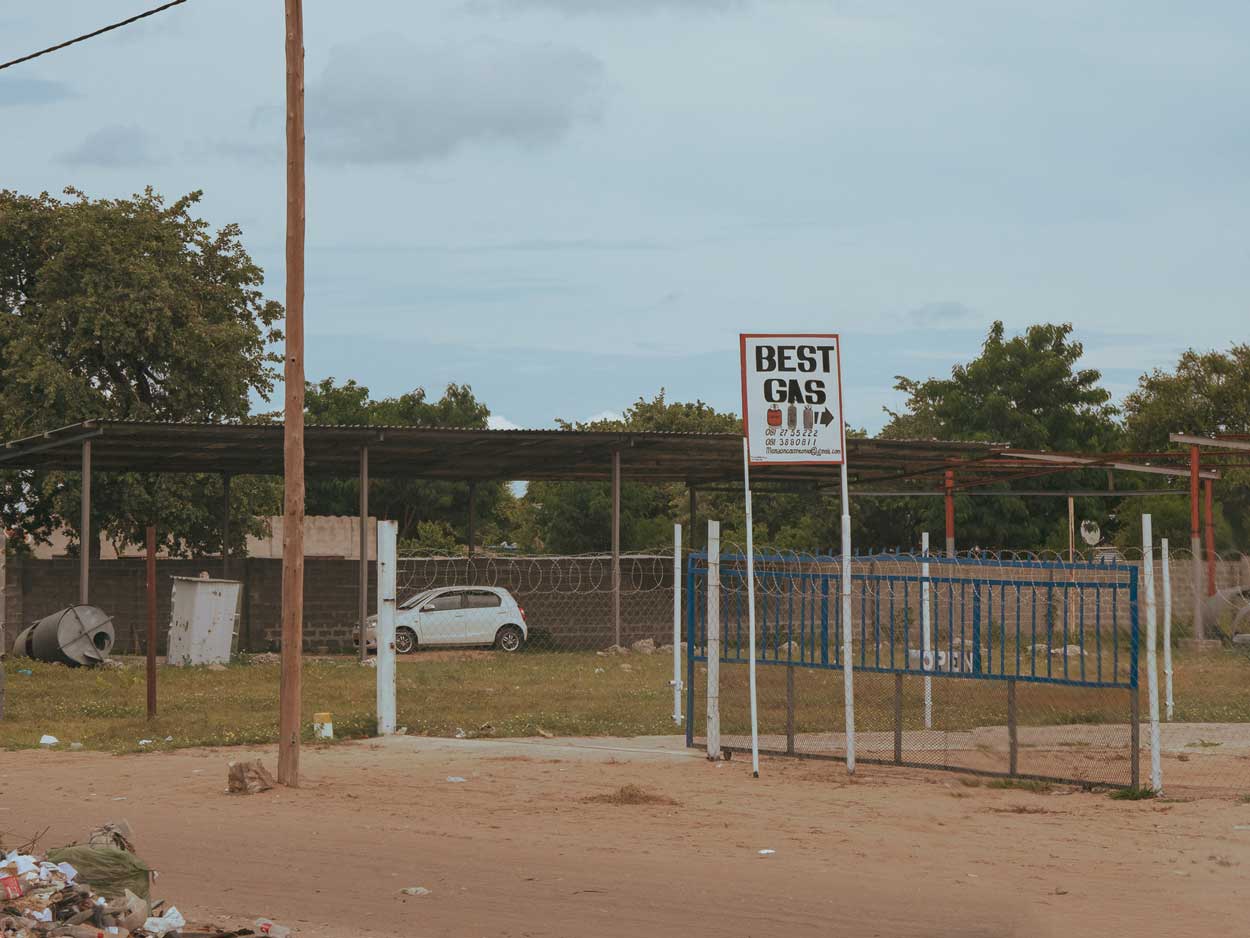
It wasn’t quite as underserved as I imagined it would be going out there (after I scared myself reading lots of blogs) but think of it this way..
There are vast vast distances between towns in Namibia. Where there is no infrastructure (or people!) it doesn’t make sense to have petrol stations and that’s kind of how it works.
So pretty every town, city and tourist area will have a petrol station or two but at the same time will find times where you can travel for a couple of hundred kilometres without seeing anywhere to refuel.
You don’t want to be stuck in a stressful situation where you are running low or you are unsure that you can get to the next place. So if possible go for a car which has the double tank capacity.
2. If you’ll be camping get all the kitchen facilities EXCEPT for the table, camping stove and fridge
If you are game for a bit of camping and cooking I would do the following:
Go for the full set of camping equipment (including the camping chairs) but leave out the table. It might seem like a table would be a really useful thing, but we only used it once the entire time we were travelling.
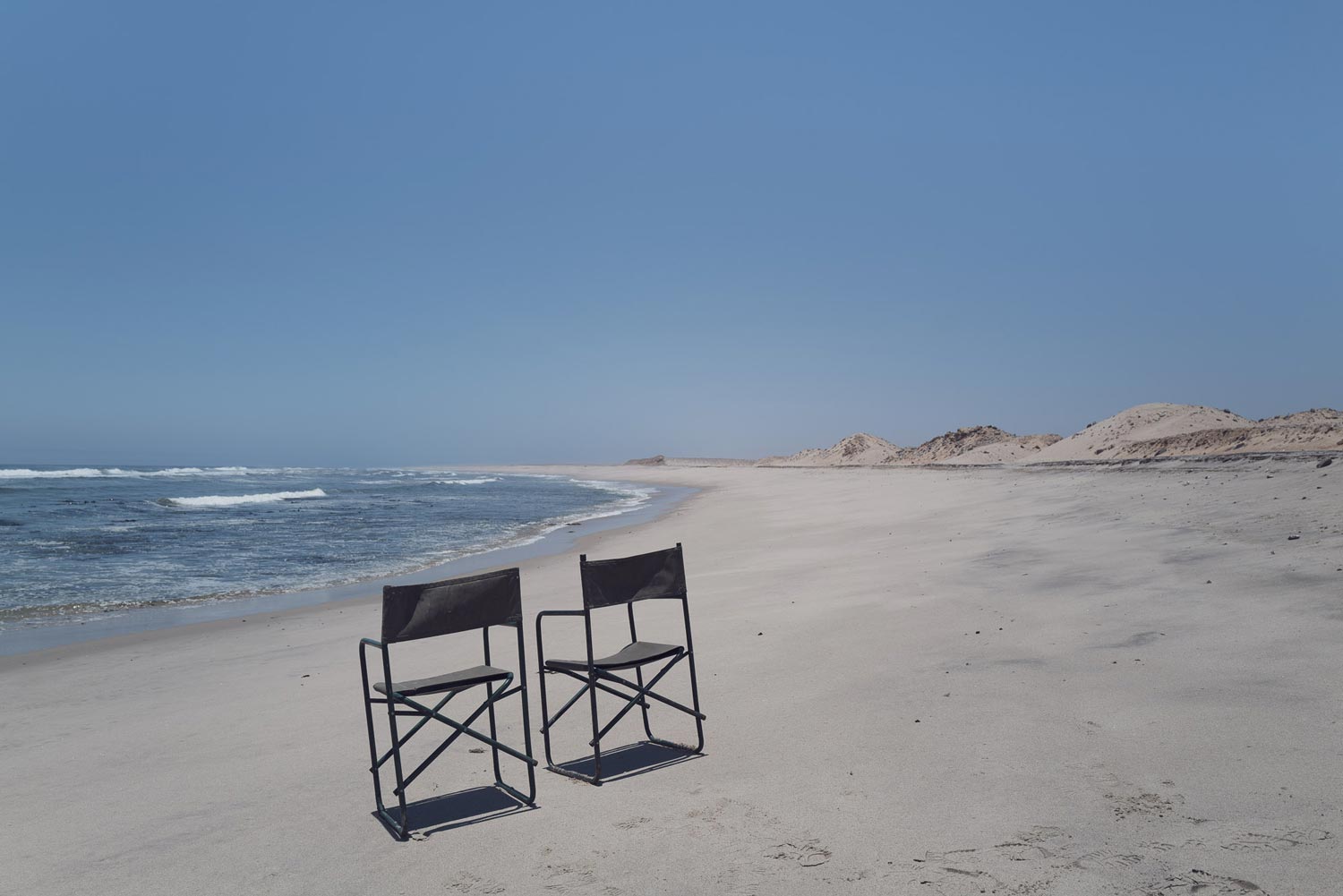
We found most campsites had areas or tables where you could rest things. If not, we would just use the flap on the back of the car as a surface to prepare food. When we came to eat our dinner we always ate with the plate on our laps.
Really? Why not just take and use the table?
These camping tables are absolutely huge and unwieldy and took up loads of space in the back of the car. In hindsight, we would have much rather have that extra space and easier access to things in the back of the car (and not have the metal legs ripping up against water bottles and other equipment!)
If you are someone who likes cooking with gas great. This is going to be a real bonus for your morning coffee or breakfast because it’s quicker and easier to set up than having to build a fire each time.
However, from personal experience I would not bother with the cooking gas. Again this was big and unwieldy and we much preferred cooking with wood. Next time we would just use that extra space to carry more firewood and enjoy that outdoor woods smoked cooking experience to the full.
I would definitely not bother with the fridge.
We were excited to get a free fridge and thought it sounded like the height of luxury, but this thing is absolutely huge and yet the space to put food inside is tiny.
It must be to do with how the thing has to be insulated and the electronics that have to go in it but it just wasn’t worth it and the stress it caused was just unbelievable.
We had flat batteries for the first week of our trip and we are pretty sure from what other people told us and from the mechanic we saw that this was some problem. We think the mechanism was faulty and somehow drawing power from the battery when the engine wasn’t on.
This shouldn’t happen and when the ignition is fully off it’s supposed to switch the fridge off as well. But in our experience something was draining that battery and it just caused us hell until we were able to get someone to give us a new battery and take the fuse out of the fridge.
But isn’t it going to keep my food fresh?
It’s only going to work while you’re driving. So yes, it will keep things cool for that period of time, but after that you then need to find a way to plug it into a power source.
The car rental people excitedly told us that when whenever we got to a campsite we would simply be able to just plug it in to their power supply (and they gave us an extension cable where we could hook it up).
However, I think on our entire month-long trip there were only two places where it would have been possible to use this and when we arrived at these places the last thing we felt like doing was stretching cables everywhere.
Campsites which did offer a power supply were the exception rather than the rule and even if they did, it was normally in an awkward place. So you’d have to think about how you parked the car which is a bit of a faff.
You are far better off getting two cool boxes for the car. They normally give you one but see if you can get two.
Tip: Fill these up with as much ice as you can find and then put your food that you want to keep fresh in here and any drinks as well.
Do not open it at all costs (until you need it) because as soon as you do all of the warm air gets in and it will melt quicker than you can say “luke warm”.
It’s effective at keeping things cool and as a silver lining we found that once it started melting you could just cut the bag open and pour the water into a water bottle. You would then have this wonderfully cool fresh water that you could drink.
So it’s a way of keeping things refrigerated and getting a free ice cold drink at the end of it.
Those are the key things I would remember to do in Namibia knowing what I know now.
Something else to remember is this:
Namibians are lovely people (I’m sure there are some less lovely ones, just like anywhere in the world, but we didn’t encounter many).
When there was a problem, people wanted to help and folk here are relaxed and they are friendly.
It’s not like being in a city like London where you avoid eye I contact with people at all costs and speaking to someone is punishable with a look of horror.
In a country that is primarily desert, where water is scarce, the sun ever present and where you might be 50 kilometres from your neighbour you have to help each other out.
We are lucky as visitors that they extend this kindness to their fellow human beings.
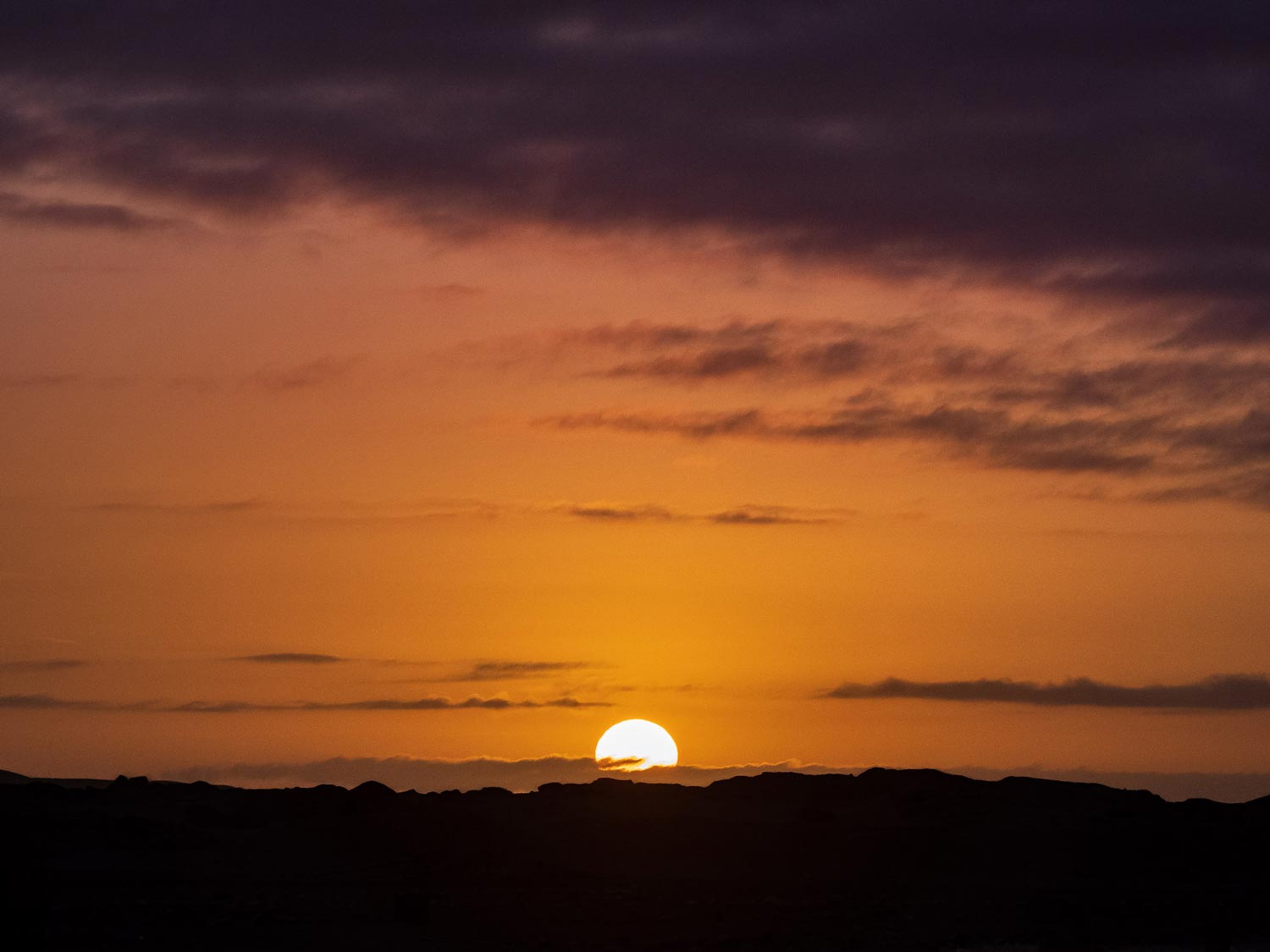
Namibia is a beautiful country and if you come prepared and treat people with kindness and respect, he will be rewarded a thousandfold in wonderful experiences.


These are great suggestions! As a foreigner living in Namibia for 15 years, I agree – more or less – with all of it. We take lots of road trips and love camping for all the reasons you mention. We live in Central Namibia, but also love the Caprivi area and always recommend it to friends.
I also agree that this is not a ‘2 week visit’ sort of place. I’ve given up trying to explain that to friends who expect to see the entire country in 10 days.
I hope you have a chance to return, and feel free to contact me if you do. Your writing is lovely. Happy travels.
Thanks for your lovely comment, Cara. Will definitely get in touch if we come again