

Merweville is a mysterious place.
It’s made all the more mysterious by my frustrating inability to pronounce it.
“Merwewewe”, I say, the vowels tripping over my tongue.
“Mervewewree?”
“Merrwer!”
I give up and ask the lady from the cafe how to pronounce it.
“Merweville!”, she says. The word slips so easily from her mouth. I nod eagerly, jealous. “Ahhh, so that’s how you say it”.
I try again. This time “Merwewethwill” flops out with a flourish of unexpected, and not altogether welcome, spittle.
Merweville is a ‘hidden gem’ in the Great Karoo.
Hidden gem is a silly term. Obviously places aren’t hidden to the people who live or work there (that would make the commute tricky). BUT, to the visitor, trundling around relatively blindly – armed with a little bit of internet research – Merweville isn’t somewhere you come across as readily as say, Capetown or Johannesburg. And it is a magical place.
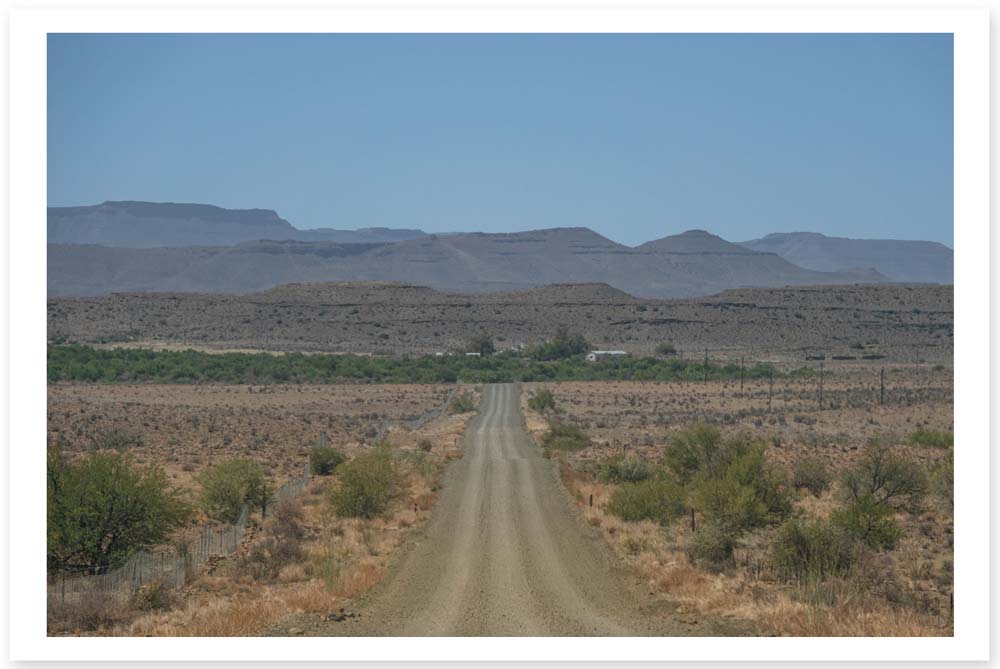
Nestled in the heart of this semi arid landscape. It’s only accessible by gravel road, far away from the bustle of the city.
We love the Karoo. We’ve been living, for the last 3 months, in another Karoo town called Prince Albert.
Prince Albert, despite its location and remoteness, has all the mod-cons. There’s a good sized Spar supermarket, lots of nice restaurants and cafes and even an Irish pub.
Merweville is even more Karoo-ish.
If you’re looking for an oasis in the heartland of this beautiful, alien, warm landscape, this it it.
A happy accident
The funny thing is we had no intention of visiting Merweville. We’d never heard of it and nearly didn’t go.
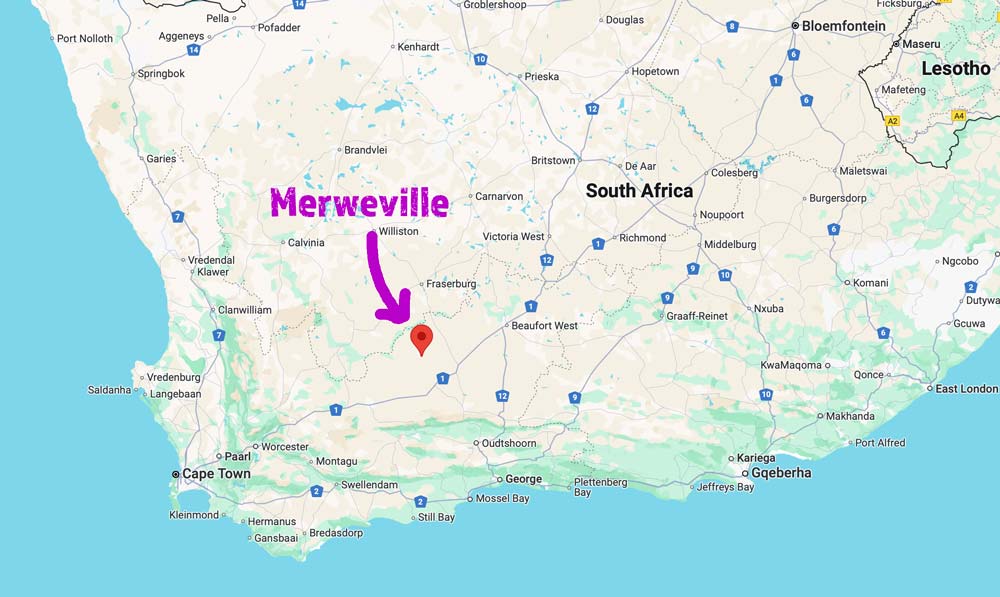
We ended up there by happy accident. It was a convenient pit stop on our way to Fraserburg, where we were doing a fossil tour, and so we punched it into Google Maps.
This pit stop, where we spent approximately 143 minutes (yes, I’m a geek and I worked it out), was one of the highlights of our weekend.
There is a beautiful tarred, empty road coming in. No giant lorries. No lunatics overtaking 2 cars at once into oncoming traffic. It felt like a safari without the animals.
Merweville gently appeared on the horizon and we glided in and parked up near a shop.
We hadn’t had much exercise that day and so went for a long walk to stretch our car legs and build up an appetite.
About 10 minutes into our walk we realised we’d found somewhere special.

There is just something so serene, so understated and beautiful about this little oasis.
When people ask us about the Karoo and why, out of all the places in beautiful South Africa, we came here, we often find ourselves mumbling incoherent platitudes about the stark beauty and the lovely weather.
It’s all true. Sure, the weather isn’t for everyone (it’s insanely hot at times), but for us, at least, it’s a stunning, invigorating dry heat. A heat that melts away anxiety and makes you feel energised.
The Karoo is also beautiful. It’s hard to describe its beauty because photos don’t do it justice.
In photos the landscape can look like patches of brown and orange tumbleweed on patches of grey and brown earth with brown mounds (or Koppies) framing the background. BROWN.
But when you are here – in person – there is an indescribable beauty.
There is plantlife everywhere. Unique and beautiful and strange and intricate. Impossibly large cacti stand sentry. Prickly pears grow everywhere. Wild tortoise roam freely.
Merweville felt, to us, like all of the things we love about the Karoo simultaneously calmed and amplified.
Prince Albert, where we’ve been living, is a small, friendly, peaceful town but you still get cars going back and forth.
In Merweville the only car I think we saw go past was the police chap doing his rounds.

A different kind of silence
It is so beautifully quiet and still.
The stillness is breathtaking. I can’t stop talking about how still it is.
I’m someone who’s wildly sensitive to sound. I can’t get any work done if there’s something rustling in the background or if people are talking.
I love sound but I also find the incessant whirrs, buzzes and loudness of modern life distracting and uncomfortable.
The silence here hit me with a gentle, warm whoosh of euphoria. This is a place you can sit calmly with your thoughts.
I imagined moving here and becoming a potter. Or maybe a baker.
I have no interest in doing either but it seemed like a good fit.
The creative soul of this place can’t help but warm you.
It’s everywhere.
It’s subtle and it’s often witty and quietly beautiful.
The personalities of the inhabitants gently seep through every pore of the beautiful dwellings here.
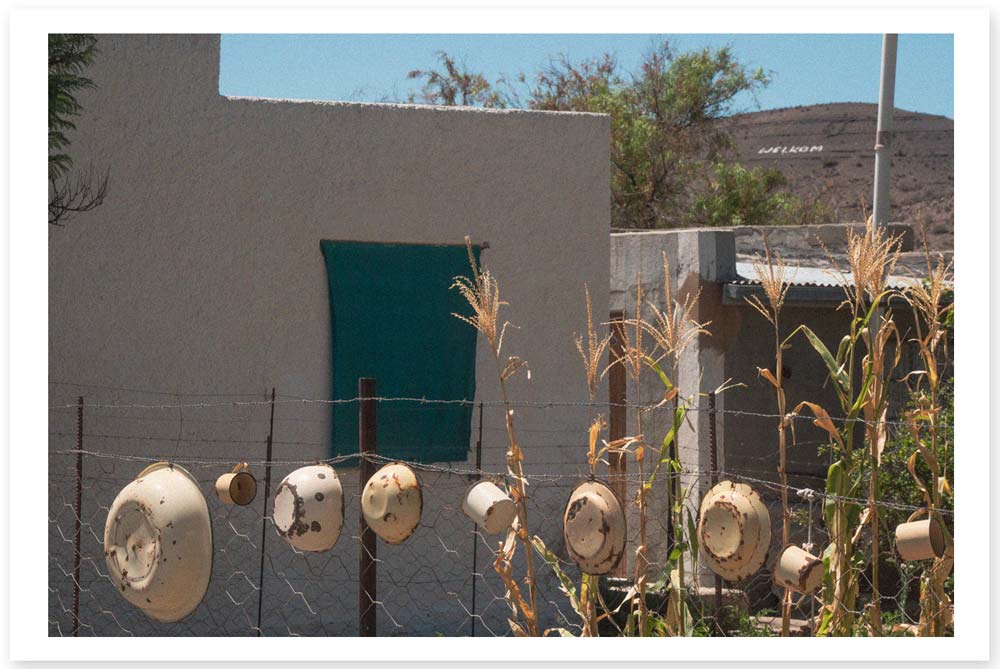
Quirky little touches in the gardens. Hanging pots and rusted cars. Strange things hanging from fences. The ubiquitous Karoo windmills.
It is stunning. The architecture here reminds me of Santorini or Lanzarote.
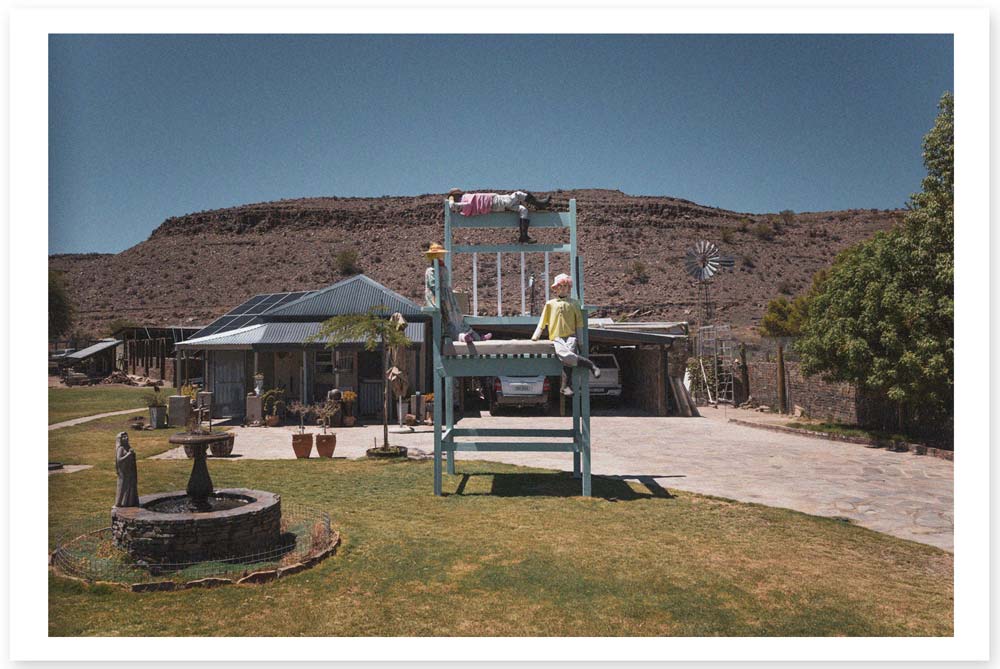
We pause outside one house where mannequins are draped elegantly on a giant chair. The koppie posing thoughtfully in the background.
This is a place filled with interesting characters I’d love to sit down and have a beer with.
But what shaped this place?
The history of Merweville
I wanted to know more.
As soon as we left Merweville I was straight on my hell phone…
Automatically swiping it open and tapping “history of Merweville” into Google.
Merweville had one last gift for us. No signal outside of its warm bosom.
We basked in the glow of its quiet, serene magnificence for a while longer without instantaneous internet gratification.
Once we were back in Prince Albert the itch returned and I did some research.
Officially founded in 1904, Merweville sits at the edge of the Tankwa Karoo.
Like many Karoo settlements, Merweville owes its existence to the Dutch Reformed Church.
In the early 20th century, the farmers here had to endure gruelling multi-day wagon journeys to attend church in Prince Albert or Beaufort West.
One local farmer, Koos van der Merwe, took it upon himself to change all this.
He donated some of his land for a church to be built on – and this became the spiritual hub of Merweville.
Merweville’s remoteness shaped its character.
Unlike some of the more accessible Karoo towns that developed alongside railway lines, it remained cut off for decades.
There was no railway, no major roads, just an endless landscape of koppies and scrubland stretching in every direction. Even today, the gravel road leading into town reinforces the sense that you’re stepping into another world.
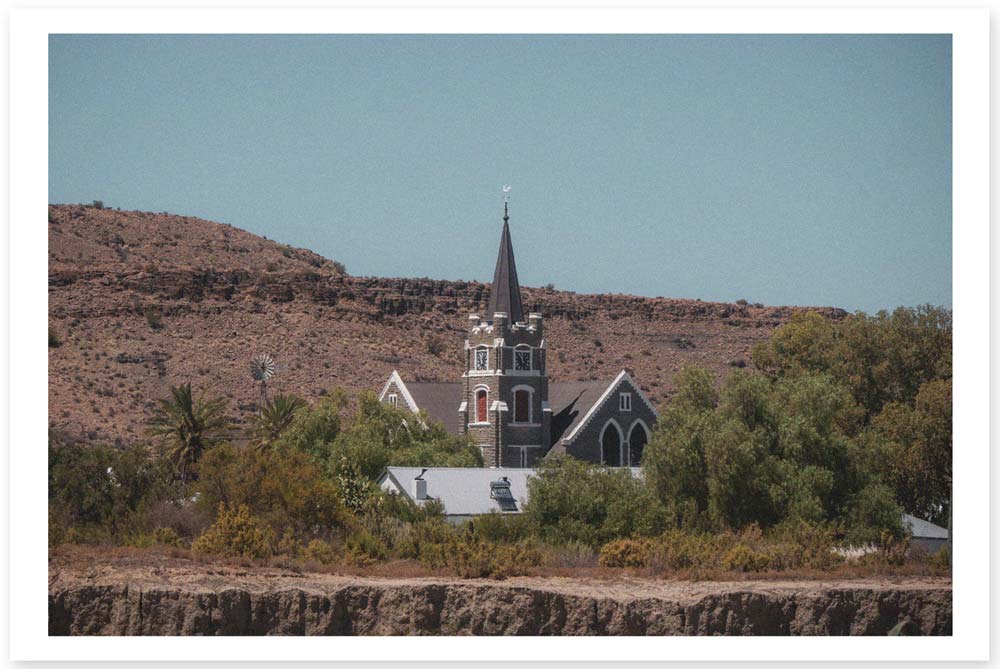
The grand Dutch Reformed Church (which you can see pictured above) was completed in 1907.
The architecture is a blend of Cape Gothic and Victorian influences and when the light hits it in the right way, it has an eerie, almost cinematic quality, like something from a forgotten Western.
But what makes it truly fascinating is the story of its bell. The church originally had a large bell imported from Europe, but in an ironic twist, it cracked within the first few years of use – a good metaphor for the harshness of Karoo life.
Hidden treasure, weapons and ghosts
Before it was officially ‘founded’, the area around Merweville was caught up in the Anglo-Boer War (1899-1902). Boer commandos frequently moved through these plains, using the semi-arid landscape to their advantage.
One particular story stands out…
Legend has it that a group of Boer soldiers, on the retreat, buried weapons and supplies near the town, fearing they would be captured.
To this day, treasure hunters come to Merweville in the hope that they’ll find buried caches of Boer gold or hidden rifles. No one has found anything, yet! We’ll try our best on our next visit – maybe in minute 144.
There is also the tale of the Karoo Midnight Ghost…
She’s a spectral figure supposedly seen walking the dusty roads between the church and the old cemetery on moonlit nights.
Locals say it’s the restless spirit of a woman who died tragically in the early 1900s. Some say she was a missionary’s daughter struck down with fever, others say she was a Boer spy executed by the British.
Beautiful food, exceptional coffee and ice cold beer
We’ll finish on a high note, away from war and spies and fever and death.
Merweville has an incredible little cafe called Die Boeklub.
It’s housed in a beautifully restored old building with thick whitewashed walls and wooden beams.
It was named after the hit TV series which was filmed in the town. Die Boeklub is the Afrikaans for The Book Club.
While people don’t tend to meet up here for book chats (I did ask!) the shelves are lined with well-loved books, some donated, some left behind by passing travellers.
There’s a beautiful, mismatched collection of chairs and tables and a lovely veranda outside when you can sit and watch the world go by.
We had lunch here and the food was exceptional. Generous portions and great cooking.
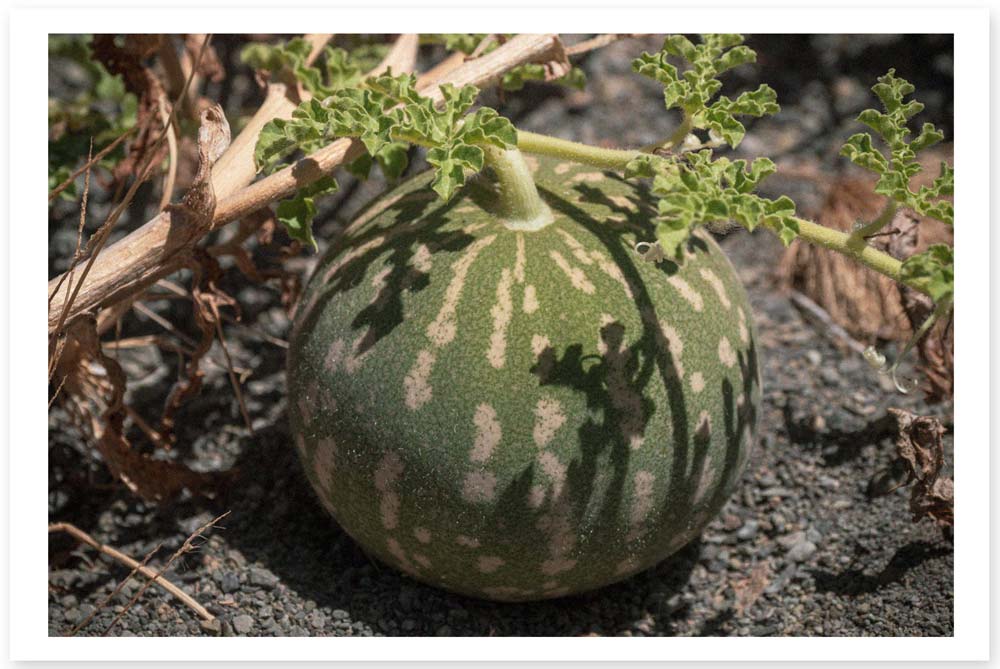
The ingredients here are high quality. Merweville even grows its own salad leaves and herbs in futuristic polytunnels.
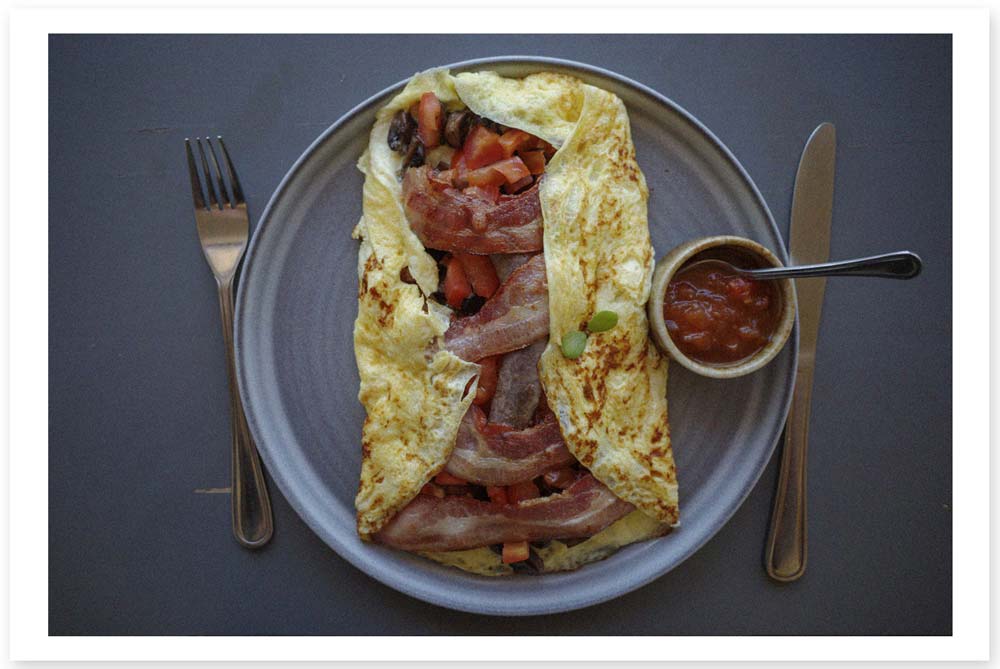
I had a hearty brunch type lunch, an excellent coffee and – because I was having such a nice time – two Windhoeks.
I have to point out here that the beer was served with a perfectly chilled, frosted glass. This is the last place on earth I would expect such attention to detail on a beer glass, simply for logistical reasons, but there it was.
The perfect end to the perfect 143 minutes.
A place to revisit.
Merweville sticks with you. It’s quiet, and remote, yet full of character and soul and magic.
This is what I will think of when I remember my time in the Karoo.





0 Comments